Insurance becomes truly important when an unexpected loss happens. Whether it is a vehicle accident, fire, theft, damaged property, medical emergency, goods in transit loss, machinery breakdown, or business interruption, knowing what to do next can make the claims process easier and more organized.
Many people become stressed when a claim happens because they are not sure who to contact, what documents to prepare, or how the process works. The good news is that you do not have to handle everything alone. A professional insurance broker can guide you through the process, help you prepare the right information, communicate with insurers, and support you until the claim is resolved.
At Spot On Insurance Brokers Limited, we assist clients with claims management, including helping them formulate claims and negotiate settlements with insurers.
What Is an Insurance Claim?
An insurance claim is a formal request made to an insurance company when a loss, damage, accident, injury, or insured event has happened.
The purpose of the claim is to ask the insurer to assess the loss and provide compensation, repair, replacement, medical support, or another benefit according to the policy terms.
Common insurance claims may include:
- Motor vehicle accident claims
- Theft or burglary claims
- Fire damage claims
- Property damage claims
- Household insurance claims
- Medical insurance claims
- Life insurance claims
- Travel insurance claims
- Business interruption claims
- Goods in transit claims
- Machinery breakdown claims
- Public liability claims
- Construction and engineering claims
- Crop or livestock insurance claims
- Cyber insurance claims
Different policies have different claim requirements, which is why it is important to follow the correct process from the beginning.
Step 1: Stay Calm and Make Sure Everyone Is Safe
The first thing to do after any incident is to protect life and prevent further harm.
If there has been a road accident, workplace incident, fire, injury, or dangerous situation, make sure people are safe before focusing on the claim. If emergency services are needed, contact them immediately.
For example:
- In a vehicle accident, check for injuries and move to safety where possible.
- In a fire incident, evacuate people first and contact emergency responders.
- In a workplace accident, get medical help for the injured person.
- In a theft or burglary situation, avoid disturbing the scene before police involvement.
- In a machinery or electrical incident, stop operations if continuing may cause more damage.
Insurance is important, but safety comes first.
Step 2: Notify Your Broker or Insurance Provider as Soon as Possible
After the immediate danger has been handled, notify your insurance broker or insurer as soon as possible.
Delays can affect the claim process, especially if the policy has specific reporting timelines. Early notification allows your broker to guide you on what information is needed and what steps to take next.
When you contact Spot On Insurance Brokers, you should provide basic details such as:
- Your name or business name
- Policy number, if available
- Type of claim
- Date and time of the incident
- Location of the incident
- Short description of what happened
- Photos or evidence, if available
- Any urgent action needed
The earlier you report the incident, the easier it is to start the claims process properly.
Step 3: Do Not Admit Liability Too Quickly
If the claim involves an accident, third party, customer, employee, contractor, or member of the public, avoid admitting fault or making promises before the claim is reviewed.
For example, after a road accident or public liability incident, you may feel pressured to accept blame. However, liability should be assessed based on facts, evidence, policy terms, and legal considerations.
You can show concern and cooperate, but avoid statements such as:
- “It was completely my fault.”
- “I will pay for everything.”
- “The company accepts responsibility.”
- “Do not worry, insurance will definitely pay.”
Instead, collect information and allow your broker and insurer to guide the process.
Step 4: Collect Evidence Immediately
Good evidence helps support your claim. The type of evidence needed depends on the type of loss, but it is always better to collect as much relevant information as possible.
Useful evidence may include:
- Photos of the damage
- Videos of the incident scene
- Police report or reference number
- Medical report, if injury is involved
- Witness names and contact details
- Repair quotations
- Invoices or proof of ownership
- Serial numbers of damaged or stolen items
- Delivery notes for goods in transit
- Accident scene details
- Fire brigade report, where applicable
- Security company report, where applicable
- Internal incident report for businesses
- Driver’s licence and vehicle details for motor claims
- Any letters, emails, or notices received from third parties
Clear evidence helps the insurer understand what happened and assess the claim more efficiently.
Step 5: Report to the Police Where Necessary
Some claims require a police report or official reference number. This is especially important for theft, burglary, vehicle accidents, fraud, malicious damage, or incidents involving third parties.
You may need police documentation for:
- Stolen vehicles
- Vehicle accidents
- Burglary or theft
- Robbery
- Malicious damage
- Lost property claims, depending on the policy
- Goods stolen in transit
- Fraud or dishonest acts
Do not wait too long before reporting. A late police report may create questions during the claim assessment.
Step 6: Prevent Further Loss or Damage
Most insurance policies expect the insured person or business to take reasonable steps to prevent further loss.
For example:
- If a roof is damaged, take temporary steps to protect stock or equipment from rain.
- If a machine breaks down, stop using it to avoid more damage.
- If a vehicle is damaged, move it to a safe place where possible.
- If a business premises is broken into, secure the doors or windows after police assessment.
- If goods are damaged in transit, separate damaged goods from undamaged goods.
Keep receipts for reasonable emergency expenses because they may be needed for the claim.
Step 7: Do Not Start Major Repairs Without Approval
In urgent situations, you may need to take temporary action to prevent further damage. However, avoid starting major repairs, replacing items, or disposing of damaged property before the insurer has inspected or approved the next step.
The insurer may need:
- Photos of the damaged item
- Inspection by an assessor
- Repair quotation
- Proof of ownership
- Confirmation of the cause of loss
- Salvage inspection
If you repair or throw away damaged items too quickly, it may become harder to prove the claim.
Step 8: Prepare the Required Documents
Claims can be delayed when documents are missing or incomplete. Your broker can help you understand what is needed.
Common documents may include:
- Completed claim form
- Policy details
- ID or company registration documents
- Police report or reference number
- Photos of the damage
- Repair quotations
- Invoices and receipts
- Proof of ownership
- Medical reports
- Death certificate for life claims
- Driver’s licence for motor claims
- Vehicle registration documents
- Incident reports
- Witness statements
- Bank details
- Delivery notes or waybills for goods in transit
- Maintenance records for machinery claims
- Stock records for business claims
The exact documents depend on the type of insurance and the nature of the claim.
Step 9: Understand Your Policy Terms
Before expecting payment, it is important to understand what your policy says.
A policy may include:
- Cover limits
- Excess amounts
- Exclusions
- Waiting periods
- Claim reporting timelines
- Conditions that must be followed
- Required documents
- Approved repair procedures
- Depreciation rules
- Settlement options
This is where using an insurance broker is helpful. Spot On helps clients understand their policies and supports them through claims management. The company’s services include claims management, policy reviews and optimization, risk management, risk assessment, and insurance policy placements.
Step 10: Cooperate With the Insurer or Loss Assessor
For some claims, the insurer may appoint an assessor, investigator, surveyor, motor assessor, medical reviewer, engineer, or other specialist to evaluate the claim.
Cooperate with the process by:
- Providing requested documents
- Giving accurate information
- Allowing inspections where needed
- Responding to follow-up questions
- Keeping damaged items available for inspection
- Avoiding false or exaggerated information
Honesty and clear documentation help protect the claim process.
Step 11: Keep Records of All Communication
During a claim, keep a record of all communication with your broker, insurer, repairer, police, medical provider, assessor, or third party.
Keep copies of:
- Emails
- Claim forms
- Photos
- Receipts
- Quotations
- Reports
- Reference numbers
- Letters from insurers
- Payment confirmations
- Notes from phone conversations
This helps if there are delays, questions, or disputes later.
Step 12: Follow Up Regularly
Claims can take time depending on the complexity of the loss, documents required, insurer assessment, and third-party involvement.
Follow up regularly, but also make sure any requested documents are submitted quickly. Your broker can assist with insurer follow-ups and help you understand the progress of the claim.
Spot On’s profile highlights efficient claims management and a commitment to fast and fair claims service.
Common Mistakes to Avoid When Making a Claim
Many claim problems happen because of avoidable mistakes. These include:
- Delaying claim notification
- Not taking photos
- Failing to report theft or accidents to the police
- Throwing away damaged items too early
- Starting repairs without approval
- Giving incomplete information
- Exaggerating the loss
- Not reading policy terms
- Missing important documents
- Ignoring follow-up requests
- Admitting liability without guidance
- Not keeping receipts
- Forgetting to update the policy before the loss happened
Avoiding these mistakes can make the claim process smoother.
How an Insurance Broker Helps During Claims
A broker does not only help you buy insurance. A good broker also helps when you need to use it.
Spot On Insurance Brokers can assist with:
- Claim guidance
- Document preparation
- Policy explanation
- Insurer communication
- Claim follow-ups
- Settlement support
- Post-claim policy review
- Risk management advice after a loss
The company profile explains that brokers assist with claim settlements and negotiate speedy claim settlements, helping clients receive compensation promptly when a claim occurs.
What If Your Claim Is Delayed?
A claim may be delayed because of missing documents, unclear information, investigation requirements, third-party involvement, assessor reports, or policy questions.
If your claim is delayed:
- Ask what information is still needed
- Confirm whether an assessor has been appointed
- Check whether all documents were received
- Ask for the claim reference number
- Request a clear update
- Work with your broker to follow up
Delays are frustrating, but proper follow-up and complete documentation can help move the process forward.
What If Your Claim Is Rejected?
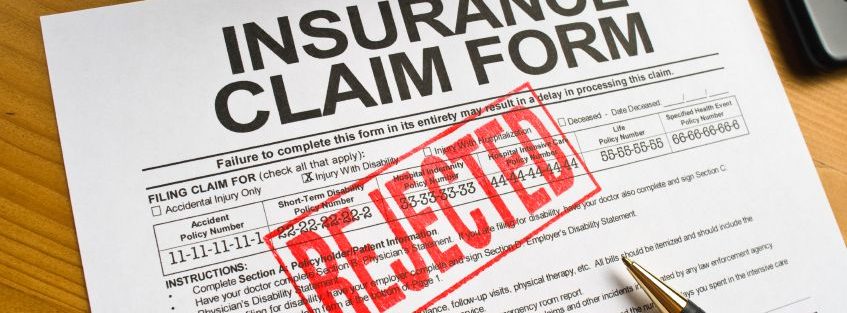
A claim may be rejected if the loss is excluded, the policy was inactive, the premium was not paid, conditions were not followed, required documents were missing, or the claim does not fall under the insured risks.
If your claim is rejected:
- Ask for the reason in writing
- Review the policy terms
- Check whether all facts were considered
- Provide missing documents if applicable
- Discuss the matter with your broker
- Ask what options are available
A broker can help you understand the insurer’s decision and advise on possible next steps.
Why Claims Support Matters for Businesses
For businesses, claims can affect operations, cash flow, employees, customers, contracts, and reputation.
A business claim may involve:
- Damaged stock
- Fire damage
- Machinery breakdown
- Theft of equipment
- Goods lost in transit
- Public liability incidents
- Employee injury
- Business interruption
- Cyber incidents
- Construction project damage
Claims support helps the business stay organized, provide the correct documents, and work toward recovery.
Why Claims Support Matters for Individuals
For individuals and families, claims can also be stressful.
You may need help after:
- A car accident
- A burglary
- Medical emergency
- Travel disruption
- Damage to household property
- Personal accident
- Loss of valuable items
- Life insurance claim situation
Having a broker guide you can make the process less confusing and less overwhelming.
Review Your Cover After a Claim
After a claim is settled, it is wise to review your insurance. A claim may reveal gaps, low limits, unclear exclusions, or new risks that need attention.
A post-claim review can help you ask:
- Was the cover enough?
- Were any important risks excluded?
- Were the claim documents easy to prepare?
- Did the policy match the real value of the assets?
- Should the excess or limit be adjusted?
- Has the business or personal situation changed?
- Is additional cover needed?
Insurance should improve as your risks change.
When you need to make an insurance claim, the most important things are to act quickly, collect evidence, report the incident properly, prepare the right documents, follow policy requirements, and work closely with your broker.
The claims process does not have to be confusing. With the right support, you can handle it more confidently and avoid common mistakes that cause delays.
At Spot On Insurance Brokers Limited, we help clients with claims guidance, documentation support, insurer follow-ups, and settlement assistance so they are not left alone when they need insurance most.
Need Help With an Insurance Claim?
If you need to make a claim or you are unsure what to do next, speak to Spot On Insurance Brokers Limited. Our team can guide you through the process and help you prepare the right information.